
The Culture of Cali: Heaven’s Branch
Santiago de Cali, affectionately known as the “Heaven’s Branch,” emerges as a vibrant cultural center in the heart of Colombia’s Valle del Cauca. This city, blessed by the eternal tropical warmth and the friendliness of its people, has forged a unique cultural identity over the years that interweaves African, indigenous, and European roots into a multicolored tapestry of artistic, gastronomic, and social expressions.
The Kingdom of Salsa
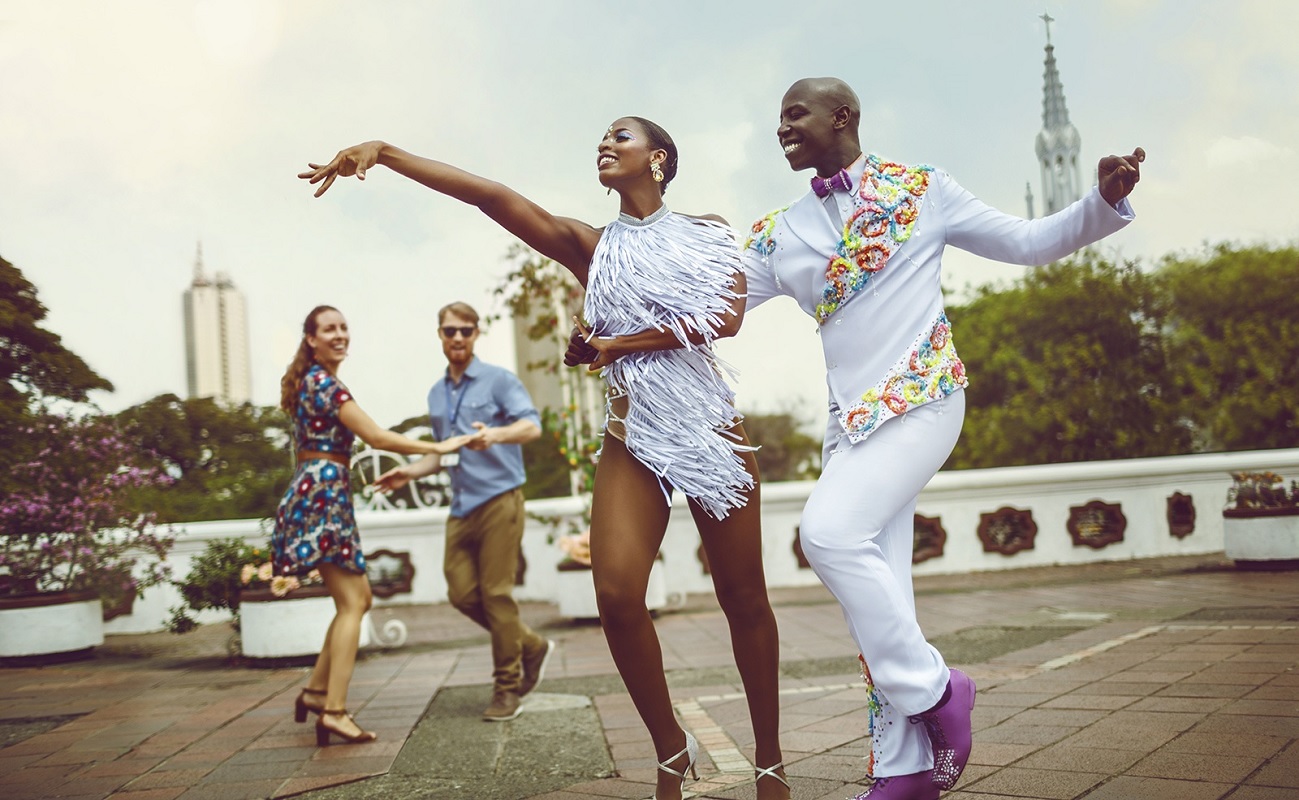
Cali’s history as the world capital of salsa began in the 1960s, when ships arriving at the port of Buenaventura brought with them coveted vinyl records of Antillean and Latin music. These rhythms found a permanent home in Cali, transforming into something more than music: they became the very heartbeat of the city. Caleños developed their own dance style, “Cali-style salsa,” characterized by its dizzying speed, acrobatic movements, and a cadence that seems to defy gravity.
In the streets of traditional neighborhoods like El Obrero, San Antonio, and Alameda, salsa melodies emerge from houses and establishments from dawn until dusk. Salsa schools have become true cultural institutions. Swing Latino, for example, is not just a dance academy but a breeding ground for talent that has given Cali numerous world salsa champions. The Delirio show, meanwhile, has transformed into an international reference that fuses salsa with circus and live music, creating a unique experience that attracts spectators from around the world.
The Pacific Musical Heritage
Beyond salsa, Cali is heir to a rich musical tradition that traces back to its Afro-Pacific roots. The Petronio Álvarez Festival, celebrated annually, has become the world’s largest Pacific music event. For five days, the city vibrates to the sound of marimbas, cununos, and guasás, while attendees taste traditional drinks like viche and gastronomic delights such as enmochilado fish and seafood rice.
The traditional music of the Pacific, with genres like currulao, bunde, and juga, finds in Cali a space for preservation and evolution. Contemporary musical groups fuse these ancestral rhythms with modern elements, creating new expressions that keep the region’s cultural legacy alive.
Architectural and Cultural Heritage
Cali’s historic center is a living museum that narrates the city’s history through its architecture. The Church of San Antonio, situated atop a hill of the same name, is not only an outstanding example of colonial architecture but also a cultural meeting point where Caleños gather to enjoy panoramic views of their city while sharing stories at sunset.
The religious complex of La Merced, which houses the Archaeological Museum, safeguards valuable testimonies of the pre-Columbian cultures that inhabited the region. Its halls exhibit an important collection of pieces from the Calima, Quimbaya, and Malagana cultures, allowing visitors to understand the territory’s historical richness.
The La Tertulia Museum, with its modernist architecture, has established itself as the region’s principal center for modern and contemporary art. Its halls not only host exhibitions by national and international artists but are also the stage for important cultural events, film cycles, and discussions.
Gastronomy as Cultural Expression
Cali’s cuisine reflects the city’s cultural diversity. In traditional markets like Alameda and Santa Helena, flavors and aromas intermingle, creating a unique sensory experience. Chicken sancocho, prepared with generosity and patience, is much more than a dish: it’s an excuse to gather family and friends around the table.
Traditional beverages like champús, prepared with corn, fruits, and spices, and lulada, made with the refreshing lulo fruit, are fundamental parts of Cali’s gastronomic identity. The cholado, a creative mix of shaved ice, fruits, and sweets, is the perfect relief from tropical heat and an example of local culinary creativity.
The Neighborhoods: Guardians of Tradition
San Antonio, Cali’s oldest neighborhood, is a microcosm of Caleño culture. Its cobblestone streets, colonial houses, and flowered balconies are the perfect setting for a vibrant cultural life. Artisans display their creations at Loma de la Cruz, while cafes and restaurants serve as meeting points for artists, intellectuals, and culture lovers.
The Granada neighborhood, meanwhile, has transformed into a gastronomic and cultural district where tradition fuses with modernity. Its restaurants, art galleries, and design shops represent the evolution of Caleño culture towards new forms of expression.
The Cali Fair: The Ultimate Cultural Expression
The Cali Fair, celebrated annually in December, is the culmination of the city’s festive spirit. For a week, Cali transforms into a giant stage where salsa, gastronomy, art, and tradition merge into a unique celebration. The Salsódromo, a parade where the best salsa schools showcase their talent, has become the most anticipated inaugural event.
The Meeting of Music Lovers and Collectors, an integral part of the Fair, is a testimony to Caleños’ deep love for music. During these gatherings, collectors share their musical treasures and knowledge, keeping the city’s musical memory alive.
Conclusion
Cali is a city that breathes culture through every one of its pores. Its identity, forged in diversity and mixing of cultures, continues to evolve without losing its roots. It’s a city where past and present dance together to the rhythm of salsa, where ancestral traditions intertwine with contemporary expressions, creating a unique cultural symphony in the world.
Caleño culture is not static; it’s a living organism that constantly reinvents itself while maintaining its essence. It is this capacity for evolution, combined with deep respect for its traditions, that makes Cali a unique cultural phenomenon in Latin America and the world.